PROJECT
Schizophrenia is a devastating psychiatric disorder, which has a very high incidence worldwide. Consequently, research into its etiopathology and to find new therapeutic and diagnostic tools constitutes a priority. Schizophrenia is a multifactorial disease in which the genes and the environment play important roles. Among the environmental elements, the presence of adverse experiences during early life (childhood and adolescence) is one of the most important risk factors for this disorder.
Most research in schizophrenia has been traditionally based on “wide” perspectives and there is an urgent need of circuit-based approaches, which focus on well-identified cerebral regions, their connectivity and their physiology. The thalamus is a very good candidate to perform this directed research, because schizophrenia is characterized by disturbances in both perceptual processing (e.g., hallucinations) and cognitive functions (e.g. impaired working memory), which likely reflect alterations in its structure and function and its connectivity with other cerebral regions, particularly with the neocortex. In fact, there is solid evidence from neuroimaging and postmortem data of alterations in the thalamus of patients with schizophrenia, but there are not multidisciplinary studies focused only on this region and integrating genetic, structural and functional data from clinical and preclinical sources. The general objective of this project is to study how adverse experiences during early life (childhood and adolescence) influence the thalamus, its circuits, the genes involved in their construction and their physiology, and whether these alterations can be predisposing factors for schizophrenia.
For this purpose, we will perform longitudinal studies in an animal model of schizophrenia involving early life adverse experiences and patients who had suffered these early adverse events and healthy controls. The impact of antipsychotic medication will be also studied on both animal models and patients in order to identify biomarkers that may help to discriminate between responders and non responders to these treatments.
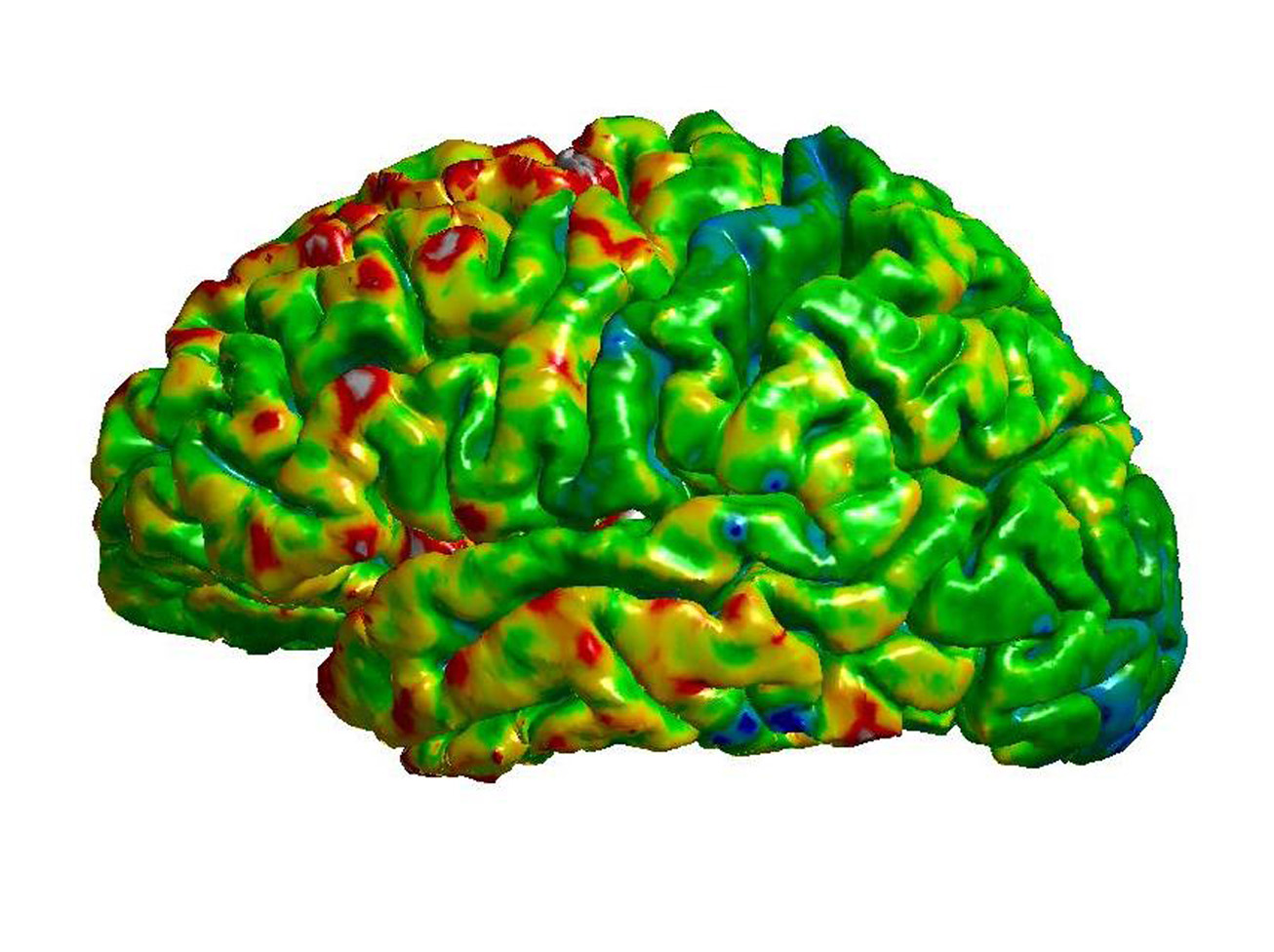
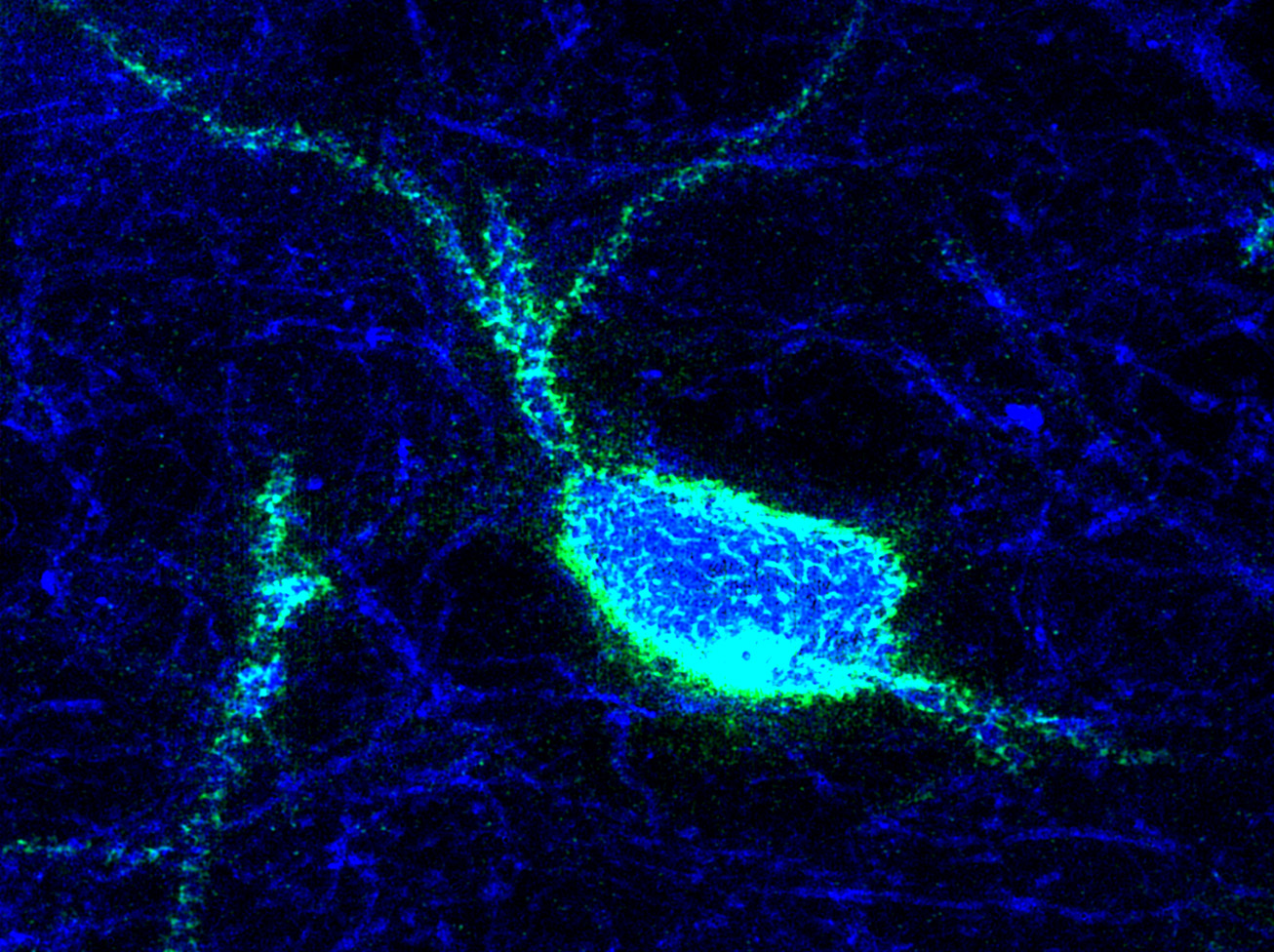
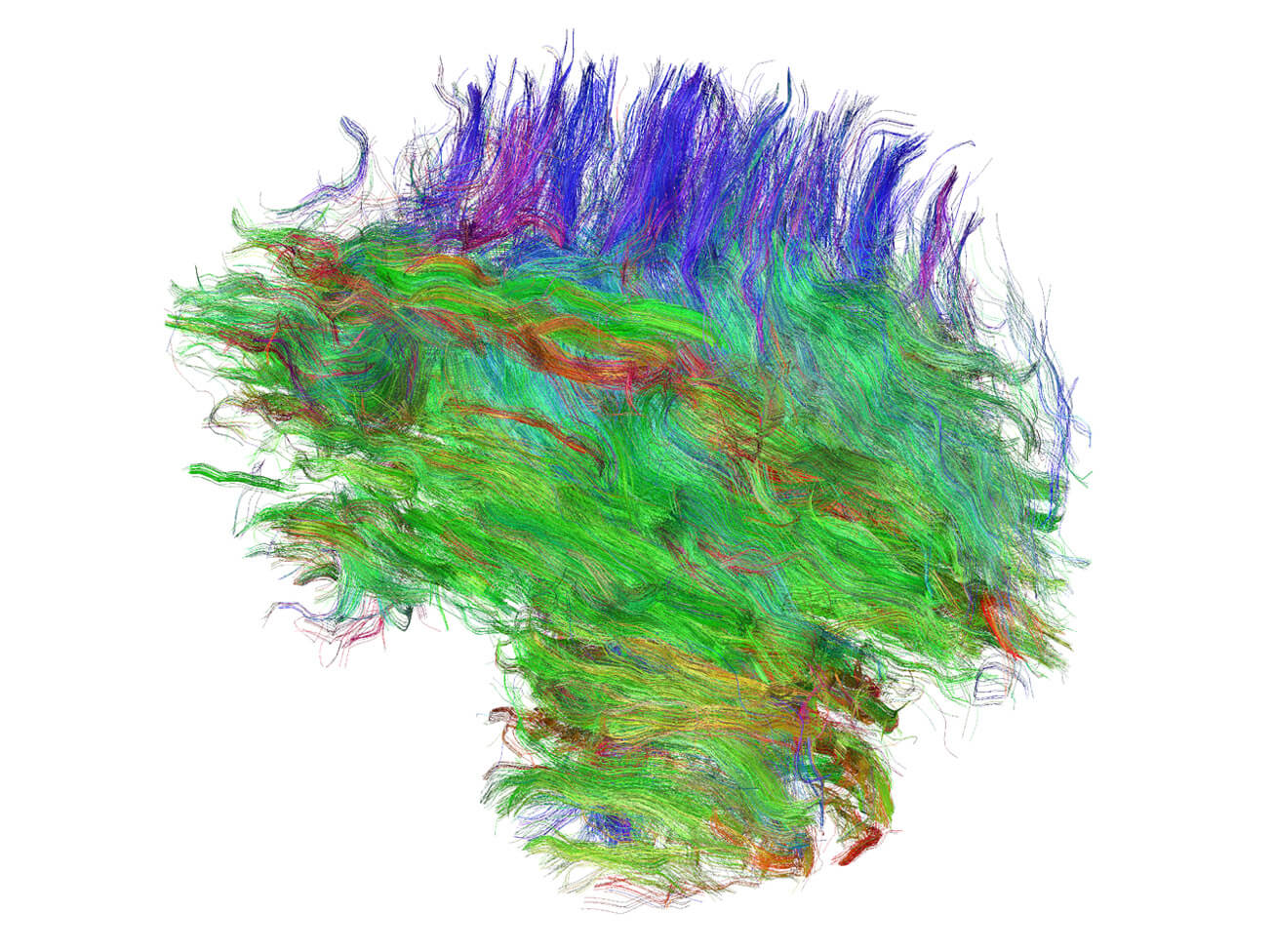
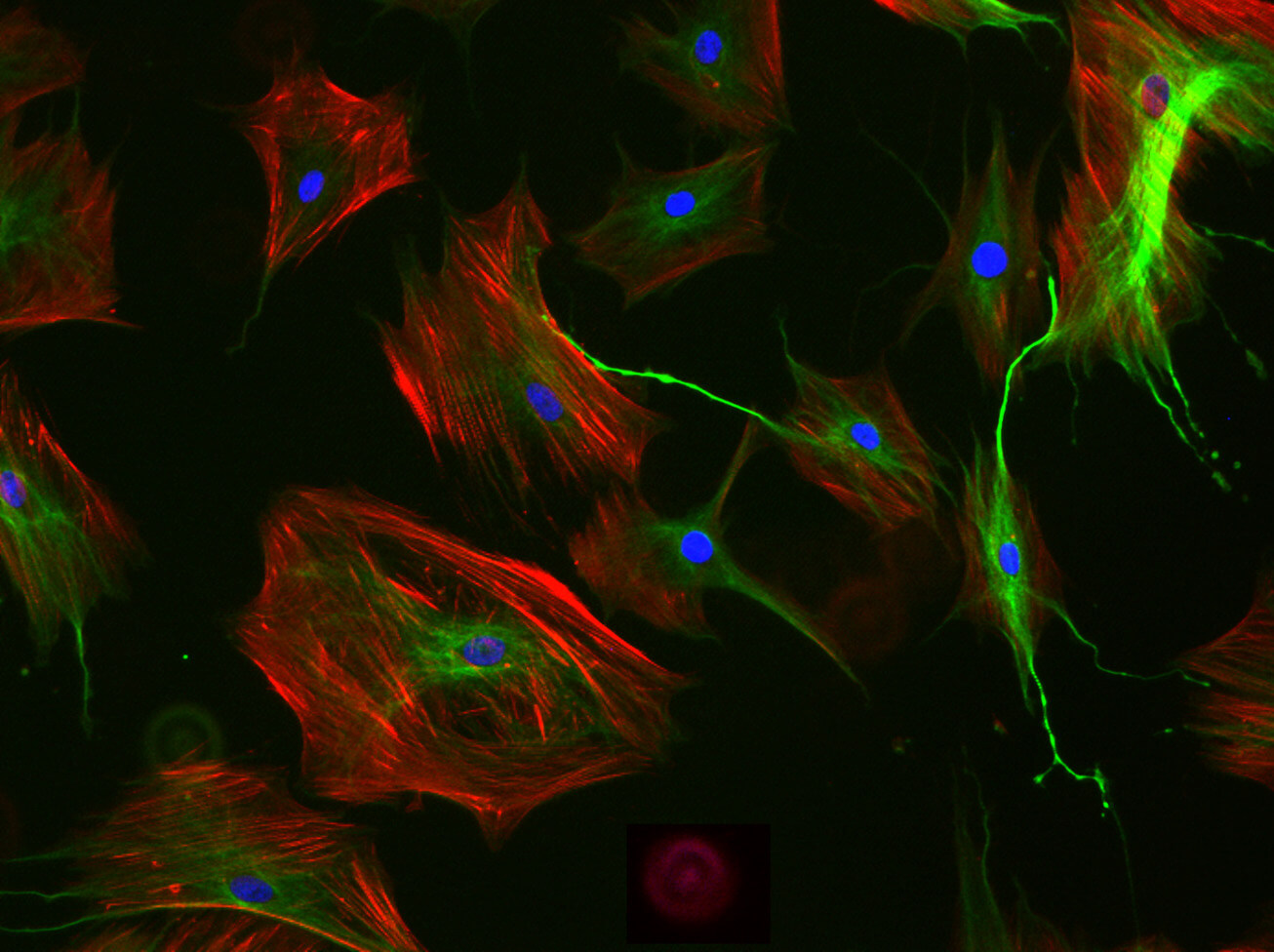
The project tackles its main objective using a multidisciplinary and translational approach. We will use animal models of adverse experiences using transgenic mice, combining molecular, structural and connectivity analyses with superresolution microscopy, behavioral tests and transcriptomics. The project also includes analyses of the thalamus of patients using postmortem tissue. Clinical studies will be also performed in living patients using psychological evaluations, expression analysis in blood and in olfactory neurons of genes relevant to thalamic function/plasticity and DNA methylation analysis of candidate genes. We also plan to generate IPSC cells from patients and, through a collaboration, generate thalamic organoids to study gene expression and connectivity. We will also analyze neuroimaging data in structural and functional MRI from patients to determine changes in different thalamic nuclei, as well as in their projecting regions in the cerebral cortex. Finally, we will perform correlation analyses of all neuroimaging, gene expression, epigenetic and organoid data. The project will be performed both in its basic and its clinical parts on males and females.
This proposal is solidly based on previous published and unpublished results and pilot data from our group. It is an ambitious project, but with our multidisciplinarity and closeness to the clinic we have the personnel and necessary infrastructure to carry it out. Our research group has been working in the field of Mental Health and Psychosis for more than 20 years with uninterrupted funding, both nationally from ISCIII and MICINN (FIS, CIBERSAM, PID), and from the Valencian Community (Prometeo, AVI), as well as from the European Union. We have a multidisciplinary approach that includes and connects research in: psychopathology, genetics, neuroimaging and animal models, which cover all the expertise necessary to develop the present project. Since 2011, thanks to the creation and coordination of the First Episodes Unit of the Hospital Clínico de Valencia, we have had the opportunity to integrat